PSLE English Preparation: A Confident & Proven Parent Guide (2026)

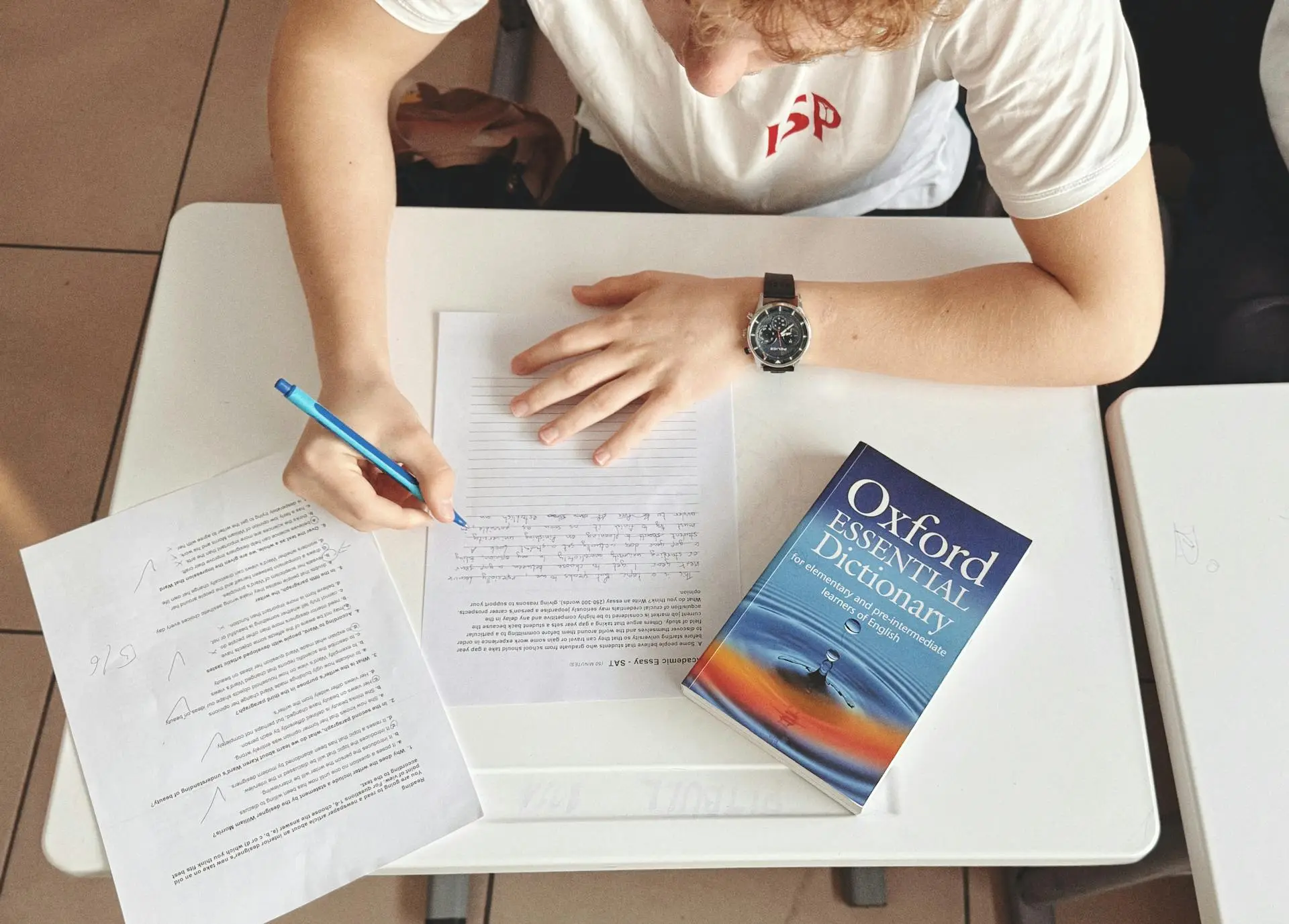
PSLE English preparation is often the most stressful part of PSLE for both parents and students. Unlike Math or Science, English cannot be improved through memorisation alone — it requires steady development of comprehension, language clarity, and confidence over time.
Many capable students struggle in PSLE English not because they lack ability, but because they are unsure how to interpret questions, organise their thoughts, or express answers clearly under exam conditions.
This guide explains what effective PSLE English preparation really involves, the common challenges students face, and how parents can support their child calmly and confidently — without excessive drilling or pressure.
Table of Contents
- Why PSLE English Preparation Feels Challenging
- What PSLE English Really Tests
- Core Areas to Strengthen in PSLE English Preparation
- Reading Comprehension Skills
- Vocabulary and Language Clarity
- Writing Structure and Organisation
- Common PSLE English Preparation Mistakes
- How Parents Can Support English Learning at Home
- When Supplementary PSLE English Support Is Useful
- How PSLE English Fits Into Overall PSLE Preparation
- Why Parents Turn to Ann Tutor for PSLE English Preparation
- Final Thoughts & What’s Coming Next
Why PSLE English Preparation Feels Challenging
PSLE English preparation feels challenging because English is not a single skill. It combines reading comprehension, vocabulary, grammar, writing structure, and critical thinking — all under time pressure.
Students are expected to:
- Understand questions precisely
- Interpret passages accurately
- Organise ideas logically
- Express answers clearly and concisely
Unlike other subjects, progress in English is gradual. This often causes parents to worry when improvement does not appear immediately. Recognising this helps parents adopt a more patient and realistic approach to PSLE English preparation.
What PSLE English Really Tests
PSLE English is not simply a test of vocabulary or grammar rules. It evaluates how well a student can understand, process, and communicate ideas.
Effective PSLE English preparation focuses on:
- Comprehension accuracy (not guessing)
- Clarity of expression
- Logical sequencing of ideas
- Careful reading of instructions
Parents who want a broader understanding of how exam confidence develops may find it helpful to read how PSLE and O-Level tuition helps build exam confidence, which explains how clarity and composure influence performance across national exams.
Core Areas to Strengthen in PSLE English Preparation
Strong PSLE English preparation balances language foundations with exam familiarity.
Reading Comprehension Skills
Many students lose marks not because they cannot read, but because they:
- Misinterpret the question
- Miss key details in the passage
- Answer too broadly or too narrowly
Good preparation trains students to read with intent, identify keywords, and respond precisely.
Vocabulary and Language Clarity
A wide vocabulary helps, but clarity matters more than complexity.
Students should focus on:
- Using accurate, simple language
- Avoiding overly long or confusing sentences
- Understanding common exam instruction words
Clear language improves both comprehension and writing confidence.
Writing Structure and Organisation

Writing marks are often lost due to poor organisation rather than weak ideas.
PSLE English preparation should emphasise:
- Clear paragraphing
- Logical flow of ideas
- Answering the question directly
Students who plan briefly before writing tend to perform more confidently.
Common PSLE English Preparation Mistakes
Even parents who mean well may unknowingly add pressure.
Common mistakes include:
- Overloading children with vocabulary lists
- Practising writing without clear feedback
- Rushing timed papers too early
- Focusing on marks instead of understanding
PSLE English preparation works best when it is steady, structured, and supportive.
(A focused guide on common PSLE English mistakes parents should avoid will be published soon. Stay tuned!)
How Parents Can Support English Learning at Home

Parents do not need to be English teachers to support PSLE English preparation.
Helpful strategies include:
- Encouraging regular reading
- Discussing stories and ideas verbally
- Asking children to explain answers aloud
- Keeping feedback calm and constructive
When deciding whether additional guidance is needed, parents may find it useful to refer to our guide to understand how to find the private tutor best suited to their child’s learning style and character, especially when confidence and learning pace vary.
When Supplementary PSLE English Support Is Useful
Additional PSLE English support may be helpful when:
- Comprehension accuracy remains inconsistent
- Writing lacks structure despite practice
- Confidence drops during timed work
- Parents feel unsure how to guide revision
At this stage, Ann Tutor’s English, Math and Science tuition — including focused P6-level English support — can help strengthen academic foundations while maintaining balance, particularly for children who benefit from structured guidance without added stress.
How PSLE English Fits Into Overall PSLE Preparation
English plays a central role across all PSLE subjects. Strong comprehension skills support:
- Understanding Math word problems
- Interpreting Science questions accurately
- Following exam instructions confidently
Parents may find it helpful to revisit the broader PSLE exam preparation guide, which explains how English readiness supports overall exam confidence and performance.
Why Parents Turn to Ann Tutor for PSLE English Preparation

As an established private tutor with over 30 years of experience, Ann Tutor has supported students across different levels and learning needs, including PSLE, O-Levels, AEIS, SPERS-Sec, and special educational needs.
Parents value Ann’s calm and structured approach to PSLE English preparation. Rather than relying on memorised phrases or rigid templates, she helps students:
- Understand questions clearly
- Organise ideas logically
- Express answers with confidence
Many families who enrolled their children in her 1-to-1 English, Math and Science tuition share positive testimonials: noting improvements in clarity, confidence, and learning attitude.
Final Thoughts – Building PSLE English Confidence Step by Step
PSLE English preparation does not improve overnight — and it does not need to.
With patient guidance, consistent practice, and the right support, students can build confidence steadily and approach the PSLE English paper with clarity and assurance.
Coming up next in this PSLE series:
Each upcoming guide will build on the foundations shared here, helping parents support their child effectively — one step at a time.
If you’d like personalised guidance for your child’s PSLE English preparation, feel free to consult Ann for a calm, structured approach that supports confidence and steady progress.
You Might Also Like
A parent-friendly PSLE Science preparation guide to improve answering skills, concept clarity, and exam confidence without stress.
A parent-friendly PSLE Math preparation guide to build accuracy, problem-solving skills, and exam confidence without unnecessary stress.
A clear, parent-friendly guide to PSLE exam preparation. Learn how to support your child calmly, avoid common mistakes, and build exam confidence.