
What Is Kinesthetic Learning? A Parent’s Guide to Hands-On Tuition in Singapore (2025)
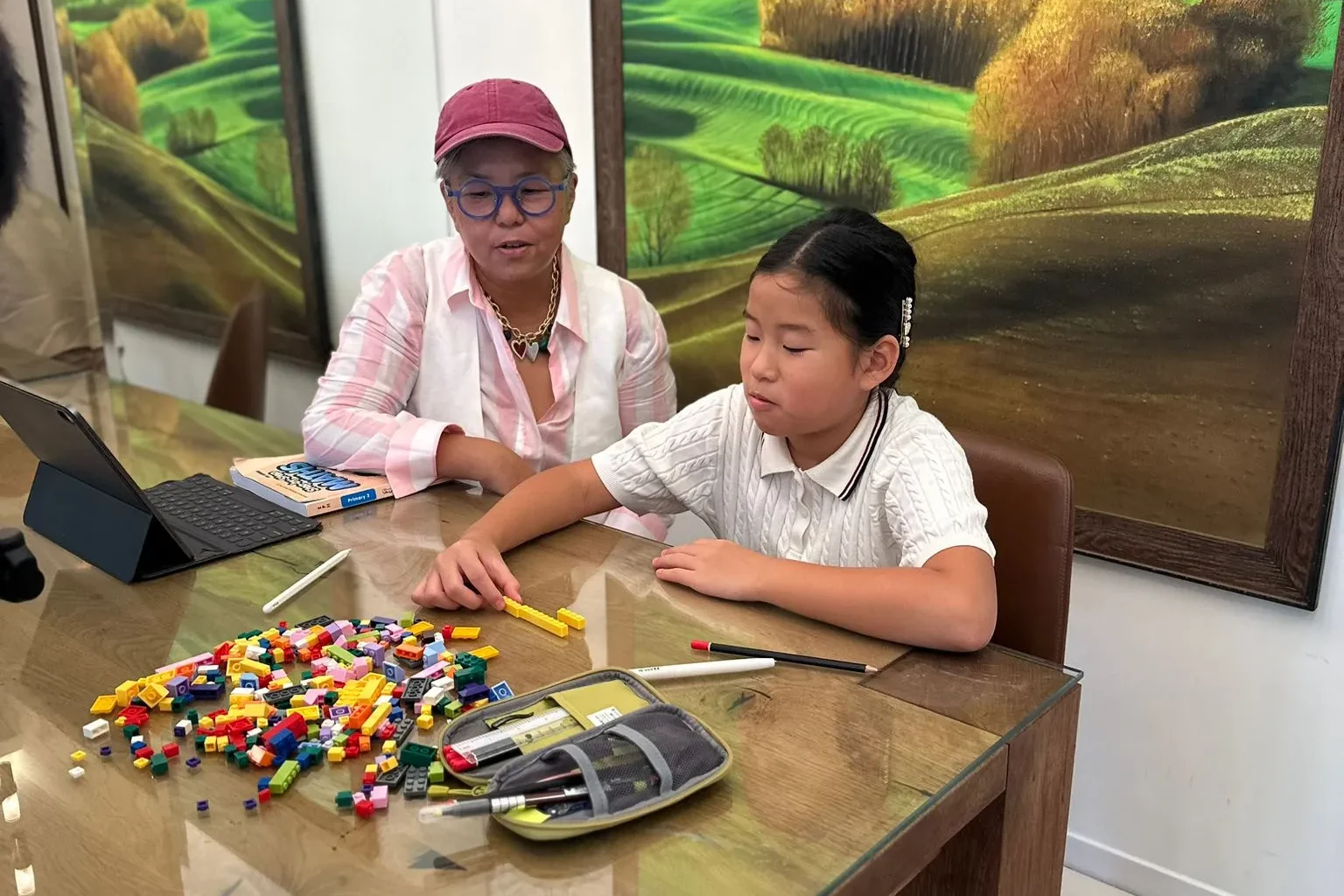
Many children learn best by moving, touching, and doing — not by sitting still through long explanations. If your child loses focus quickly, struggles with worksheets, or gets frustrated when told to “just concentrate,” a kinesthetic learning approach may help.
Kinesthetic (hands-on) learning is common among Special Educational Needs (especially ADHD) learners because it supports focus, memory, and emotional regulation through active engagement. As a Private Tutor in Singapore, Ann Tutor uses structured, movement-friendly strategies in her Special Needs Tuition to help children learn with more confidence and less overwhelm. If you’re comparing support options, see what a special needs tutor does differently.
In this guide, you’ll learn what kinesthetic learning is, signs your child may be a kinesthetic learner, and how hands-on tuition can support PSLE and O-Level progress.
Table of Contents
- What is Kinesthetic Learning?
- Signs Your Child May Be a Kinesthetic Learner
- Why Kinesthetic Learning Works So Well for SEN and ADHD Learners
- Regulate Attention (especially useful for ADHD)
- Reduces Anxiety
- Strengthens Memory
- Build Confidence Through Small Wins
- How Kinesthetic Learning Looks in a Tuition Session
- Math (Concrete → Visual → Abstract)
- English (Movement + Meaning)
- Science (Do, See, Explain)
- Executive Function Support (common for ADHD/SEN)
- Kinesthetic Learning vs Traditional Classroom Teaching
- How Kinesthetic Learning Supports PSLE and O-Level Subjets
- How to Choose a Tutor Who Can Teach Kinesthetically
What is Kinesthetic Learning?
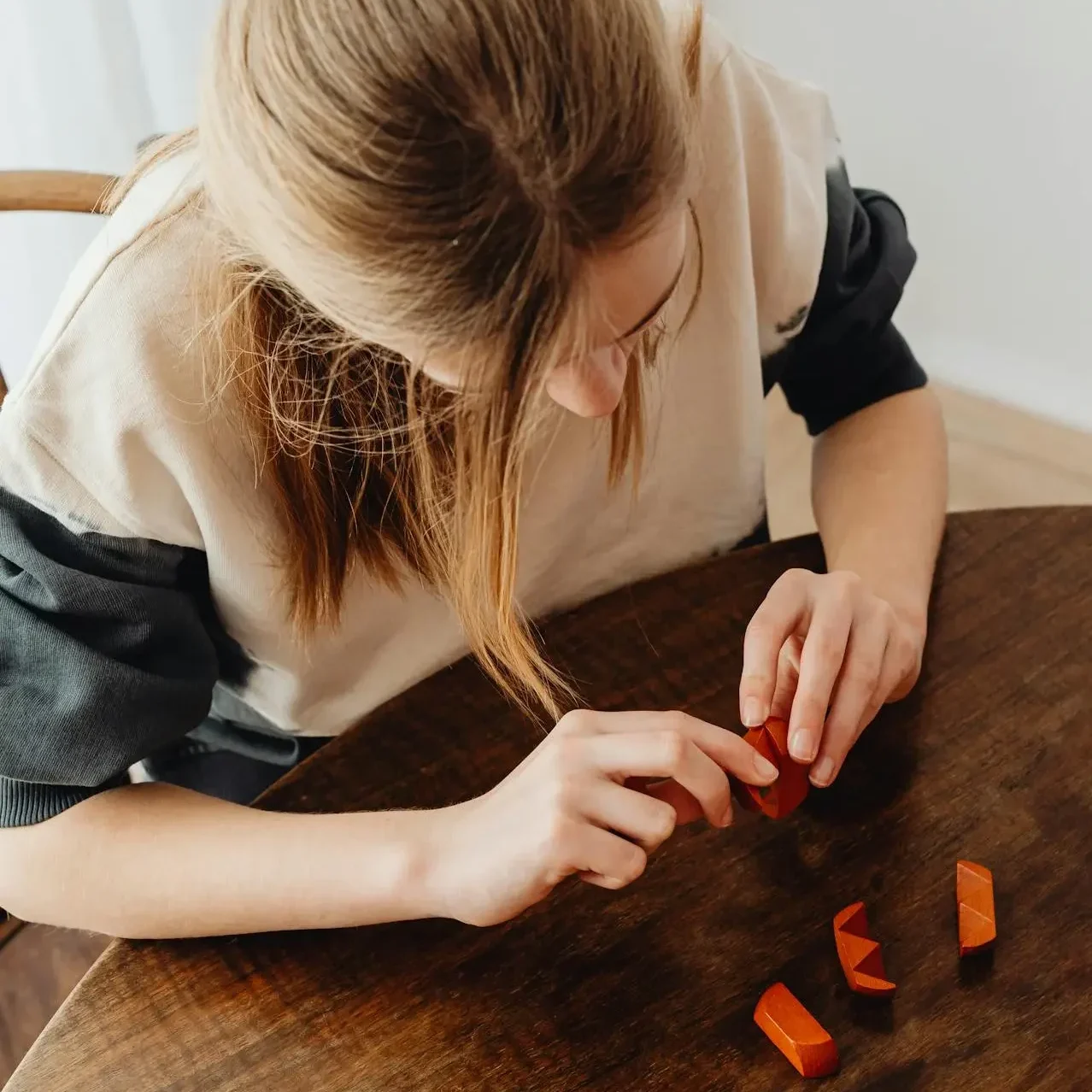
Kinesthetic learning is a learning style where a child understands and remembers best through movement, hands-on activities, and physical interaction with learning materials. Instead of learning mainly by listening or reading, kinesthetic learners often do better when they can:
touch materials (tiles, cards, manipulatives)
move while thinking (standing, pacing, switching stations)
build or manipulate objects to “see” the concept
act out steps or sequences
combine doing + explaining to cement understanding
Examples of kinesthetic learning include:
using counters and fraction tiles to visualise Math concepts
arranging sentence strips to learn grammar and writing flow
acting out comprehension scenes to practise inference
colour-coding and physically sorting steps for problem-solving
moving between stations (read → solve → check) to build structure
This is especially relevant for children who look “restless” at the desk — because they may not be unmotivated, but under-stimulated by passive learning.
If your child has ADHD and struggles with focus during tuition or revision, your kinesthetic approach will work even better when paired with structured pacing. This guide on tuition for ADHD children in Singapore shares ADHD-friendly strategies (like short learning blocks, movement breaks, and scaffolding) that complement kinesthetic learning very naturally.
Signs Your Child Might Be a Kinesthetic Learner
Your child may benefit from hands-on tuition if they:
struggle to sit still for long periods
learn faster when they can do instead of only listen
fidget, doodle, tap, or move while thinking
dislike long worksheets or repetitive drilling
remember activities better than verbal instructions
enjoy building, touching, experimenting, or role-play
get frustrated with “just read and answer” tasks
A common pattern parents notice is:
- “My child understands when we use objects or examples… but gets lost when it becomes abstract on paper.”
If that sounds familiar, it can help to choose a tutor who actively matches your child’s learning style and temperament. Fret not, our guide on how to choose the right private tutor based on your child’s learning style and personality is useful if you’re comparing options and want a clearer checklist for fit.
Why Kinesthetic Learning Works So Well for SEN & ADHD Learners
Kinesthetic learning supports many SEN learners because it helps with attention, processing, emotional safety, and confidence — not just academics.
1) It supports attention regulation (especially helpful for ADHD)
For many ADHD learners, stillness doesn’t equal focus. Strategic movement can help the brain stay alert, reduce restlessness, and keep the learner engaged long enough to complete a task.
2) It reduces overwhelm by making concepts concrete
Some children struggle when ideas feel abstract (or presented too quickly). Hands-on materials help the learner “see” the concept and take smaller steps — which reduces anxiety and improves cooperation.
3) It strengthens memory through “learning by doing”
Many learners remember better when an idea is paired with action (grouping, sorting, building, moving pieces). This is especially helpful for children who forget instructions quickly.
4) It builds confidence through small wins
When a child succeeds in a hands-on version of a task, they stop seeing learning as constant failure. Confidence builds, and that often carries over into worksheets and exam questions.
If your child needs learning support beyond general tutoring, Ann’s Special Needs Tuition provides a structured, calm environment where hands-on methods are used with pacing and emotional support — so the child can learn without feeling rushed or judged.
How Kinesthetic Learning Looks Like in a 1 to 1 Tuition Session
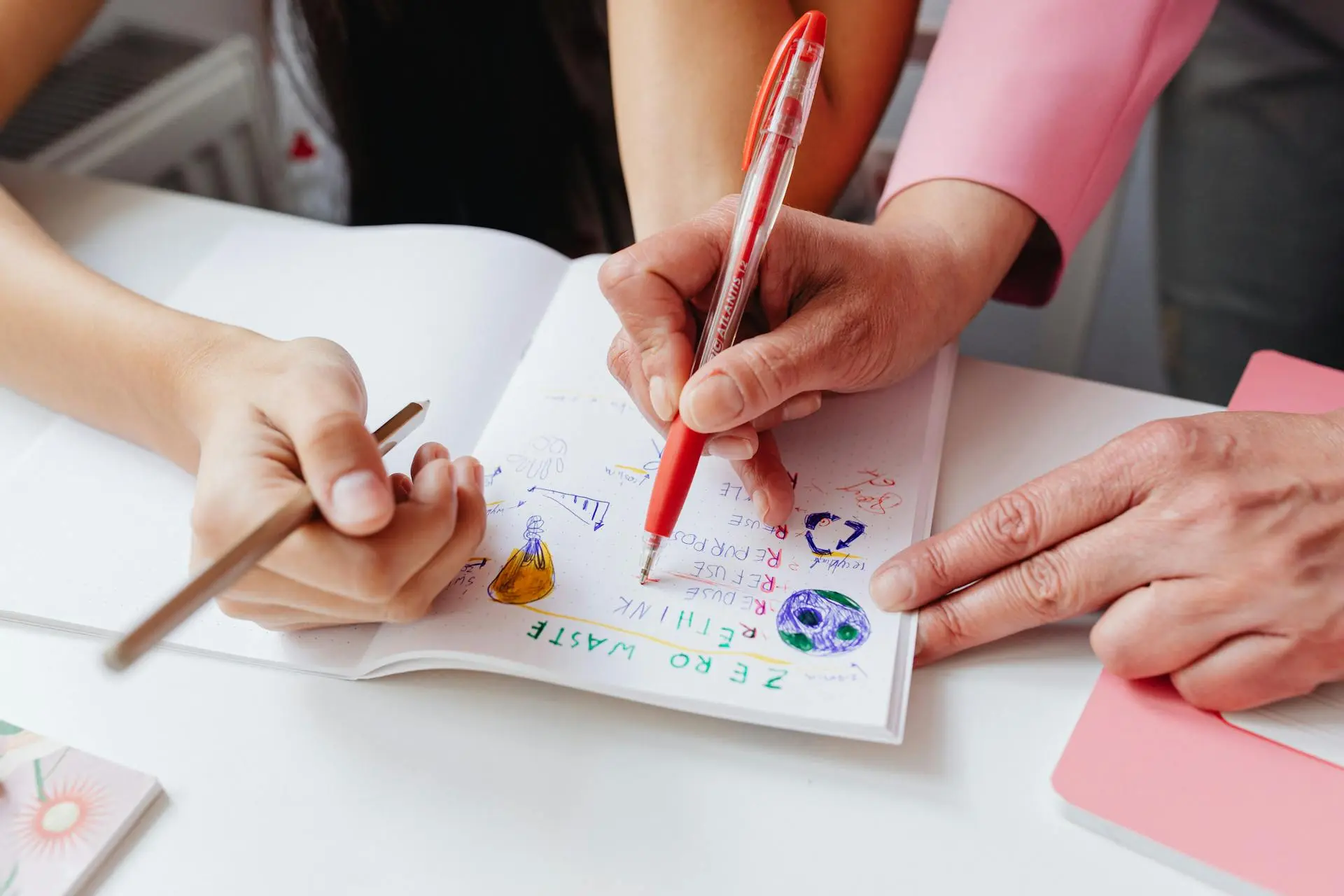
Kinesthetic learning isn’t “playing only.” In effective tuition, it’s structured, guided, and tied back to school requirements.
Here are realistic examples of how it can look:
1) Math (Concrete → Visual → Abstract)
counters, blocks, fraction tiles
modelling word problems with objects before writing equations
colour-coded working steps to reduce careless mistakes
short “hands-on checks” to confirm understanding before practice papers
2) English (Movement + Meaning)
sequencing sentences with cards (grammar + flow)
role-play to practise inference and comprehension
story mapping with tiles (beginning → problem → solution)
physical planning templates for writing (hook → points → conclusion)
3) Science (Do, See, Explain)
mini demonstrations to show cause-and-effect
building diagrams with movable labels first
sorting/classification activities to deepen understanding
step-by-step reasoning: predict → observe → conclude
4) Executive Function Support (common for ADHD/SEN)
“first/then” routines
colour-coded task boards
timed mini-challenges with breaks
simple checklists to build independence and reduce avoidance
For families who want subject mastery plus confidence-building study habits, this approach pairs well with Ann’s Ultimate 360 Programme, which blends academic support with holistic learning strategies.
Kinesthetic Learning vs Traditional Classroom Teaching
Traditional classrooms are designed for group instruction. Kinesthetic learning is often more effective for children who need a different pathway to understand and retain concepts. See the table below for a summary.
|
Traditional Classroom
|
Kinesthetic Learning
|
|---|---|
The aim isn’t to avoid academics — it’s to make academics accessible.
How Kinesthetic Learning Supports PSLE & O-Level Subjects
Hands-on learning isn’t just for young kids. It can be powerful for exam prep too — especially for learners who struggle with focus, anxiety, or abstract reasoning.
1) PSLE examples
counters, blocks, fraction tiles
modelling word problems with objects before writing equations
colour-coded working steps to reduce careless mistakes
short “hands-on checks” to confirm understanding before practice papers
2) O-Level examples
sequencing sentences with cards (grammar + flow)
role-play to practise inference and comprehension
story mapping with tiles (beginning → problem → solution)
physical planning templates for writing (hook → points → conclusion)
If you’d like more help on exam pacing and revision strategies, our PSLE & O-Level tuition guide breaks down what works — without overwhelming your child.
How to Choose a Tutor Who Can Teach Kinesthetically
Not every tutor who says “hands-on” truly teaches kinesthetically well. Look for someone who:
can explain why a tool or activity is used
breaks tasks into clear steps
adapts when focus drops (without scolding)
converts hands-on understanding into paper performance
communicates progress clearly to parents
If you’re comparing tutors, start with this guide on how to choose the right private tutor in Singapore. For a broader parent checklist (beyond just learning styles), this best private tutor in Singapore guide is also helpful.
Why Parents Choose Ann Tutor for Hands-On Support
Ann Tutor is a private tutor in Singapore with over 30 years of experience supporting children with different learning needs. Parents often describe her teaching style as:
calm and patient
structured but flexible
observant of emotional and attention cues
skilled at breaking down complex concepts
focused on confidence and sustainable improvement
To see real outcomes, visit the Testimonials page, where parents share how their children became more focused, confident, and independent over time.
Final Thoughts – Help Your Child Learn Through Movement
Kinesthetic learning helps children understand concepts by experiencing them, not just memorising. With the right structure, pacing, and hands-on strategies, learning becomes clearer and less stressful — especially for SEN and ADHD learners.
If you’re exploring movement-friendly, confidence-building support, reach out to Ann Tutor to discuss the right approach for your child.