What Is Brain Training for Autism?
Brain training refers to activities designed to practise cognitive skills such as attention, memory, planning and problem-solving.
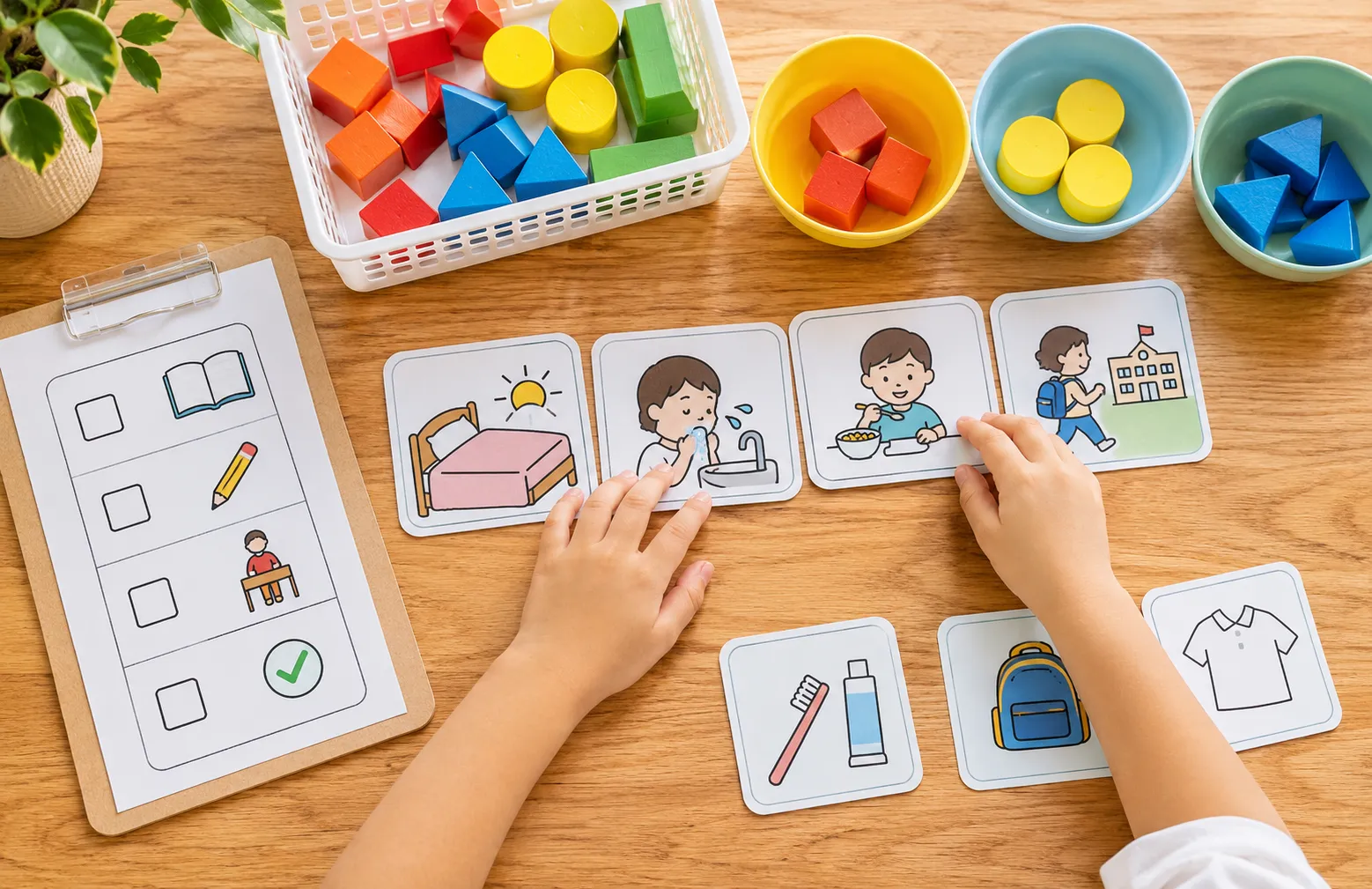
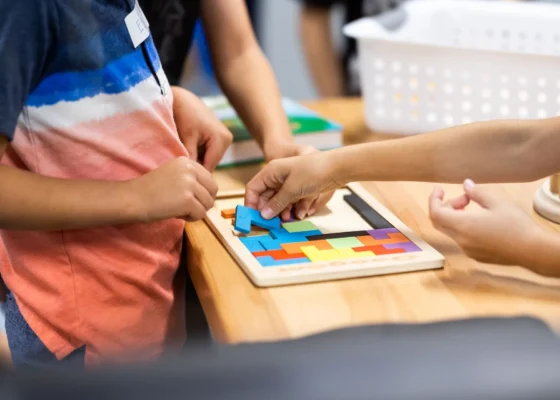
Examples include memory matching games, picture sequencing, puzzles and sorting activities.
These exercises may help children practise particular skills, but brain training does not treat or cure autism, and improvements in games do not necessarily transfer to classroom learning.
How Autism May Affect Classroom Learning
Autistic children have different strengths and learning needs. Some may experience difficulties with:
Changes in routines: Unexpected transitions between activities.
Multi-step instructions: Remembering several directions at once.
Attention: Engaging with lengthy or unfamiliar tasks.
Sensory demands: Managing noise, lighting or crowded classrooms.
Classroom expectations: Understanding instructions or routines that are not explicitly explained.
These challenges do not affect every autistic child.
Visual schedules, shorter instructions and appropriate classroom adjustments may help students participate more comfortably.
For further reading, see our Special Educational Needs (SEN) guide on Challenges SEN Students Face in Mainstream Schools.
Can Brain Training Improve Cognitive Skills in Autistic Children?
Research into cognitive training for autistic children has explored attention, working memory and executive functioning. Some studies report improvements in practised tasks. However, evidence that these improvements consistently transfer to academic performance or everyday functioning remains limited.
For example, becoming better at a memory game does not necessarily mean a child will find classroom instructions easier to follow. Parents should therefore be cautious about programmes promising broad improvements in learning or behaviour.
Brain-training activities can be useful as enjoyable practice, but they should not replace appropriate educational support.
5 Brain-Training Activities to Try at Home
Parents can introduce simple activities based on their child’s interests and abilities.
1. Picture Sequencing
Ask your child to arrange illustrated cards showing everyday routines, such as packing a school bag. This encourages sequencing and understanding steps.
2. Memory Matching
Use pairs of picture cards placed face down. Take turns finding matching pairs. Adjust the number of cards according to your child’s comfort level.
3. Sorting With Changing Rules
Begin by sorting blocks according to colour, then introduce a new rule based on shape. Explain the change clearly and provide demonstrations when needed.
4. Simple Planning Challenges
Ask your child to recreate a small block structure using a picture as a guide. Break the task into manageable steps if necessary.
5. Spot-the-Difference Games
Use two similar pictures and encourage your child to identify differences. This provides opportunities to practise visual attention.
Helping Children Apply Skills Beyond Games
Practising a skill during a game does not guarantee that a child will use it independently elsewhere. Parents can make activities more relevant by connecting them to everyday situations.
For example, picture sequencing can be extended to preparing for school, while simple planning activities can be applied to organising homework.
Useful approaches include:
Visual supports: Use checklists and illustrated instructions.
Predictable transitions: Explain changes before they happen.
Real-life practice: Introduce skills during familiar routines.
Individual preferences: Choose activities that match the child’s interests and sensory needs.
The goal is to support independence and meaningful participation, not to change a child’s autistic identity.
Brain Training vs Autism-Focused Tuition
Brain training and academic tuition serve different purposes.
When Should Parents Consider Additional Learning Support?
Not every autistic child requires tuition.
However, parents may consider additional guidance when their child experiences persistent difficulties with reading, writing, Mathematics or completing schoolwork.
Before arranging tuition, discuss the concerns with teachers and consider whether classroom adjustments or specialist support may be more appropriate.
Some difficulties may arise from sensory or communication needs rather than gaps in academic understanding.